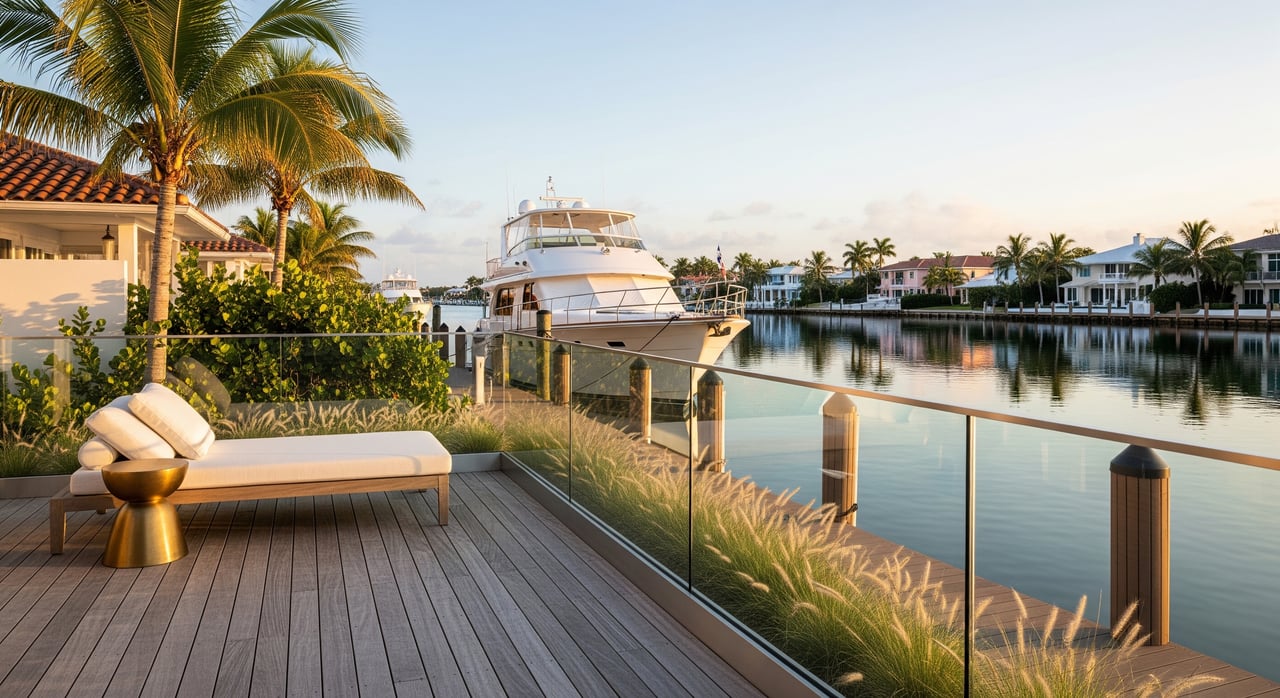
Swapping ice scrapers for Intracoastal sunsets in 2026 sounds great, but getting from Connecticut to Palm Coast takes a smart plan. You want the right home near Yacht Harbor Village, smooth financing, and zero last‑minute surprises. This guide gives you a clear, month‑by‑month timeline tailored to CT snowbirds so you can tour at the right time, write strong offers, and close confidently from out of state. Let’s dive in.
Why timing matters for snowbirds
Buying on Florida’s coast has a different rhythm. Listings and showings are most active in fall and winter, especially January through March. That window often brings more inventory and better access to contractors and inspectors.
Hurricane season runs June 1 to November 30. You do not need to avoid buying during that time, but it is wise to avoid scheduling your final move or major renovations right in the middle of peak storm activity if you can. Insurance and inspection timelines still apply year‑round.
Florida contracts also move on tight deadlines. Inspection periods commonly run 7 to 15 days, and HOA or condo estoppels can take a few weeks. Start your financing and insurance quotes early so your offer stays strong.
Your 2026 buying timeline
Use Month 0 as your target closing and possession month in 2026. Count backward to plan each step.
Month −12: Set strategy and budget
- Decide if you will sell your CT home before buying, buy first, or keep CT as a rental. Discuss tax and cash flow with your advisor.
- Pull credit, set your budget, and get prequalified with a lender that makes Florida loans.
- Begin decluttering and plan major CT repairs or updates if you will list next year.
- Start researching Palm Coast neighborhoods near Yacht Harbor Village. Note preferences like dock access, seawall condition, HOA vs non‑HOA, and proximity to amenities.
Months −9 to −8: Lenders, insurance, and travel
- Select a Florida‑capable lender and seek formal preapproval with clear timelines.
- Request preliminary homeowners and flood insurance estimates for your target Palm Coast ZIP codes. Coastal premiums can impact affordability.
- If selling CT, interview listing agents and discuss timing so both closings align.
- Block dates for a 1 to 2 week Palm Coast scouting trip between November and March. Many CT snowbirds prefer January through March.
Months −6 to −5: First Palm Coast visit
- Tour the Yacht Harbor Village area and nearby options, including canal‑front single‑family, inland neighborhoods, and condos.
- Meet a local buyer’s agent who knows Flagler County procedures, flood zones, and HOA/condo processes.
- Ask for recent sales data and on‑the‑ground inventory insights to supplement what you see online.
- Meet one or two home inspectors and an insurance agent who understands wind, flood, and coastal underwriting.
- If selling CT first, plan offer timelines that work with a Florida purchase. If buying first, explore bridge financing or plan to carry CT temporarily.
Months −4 to −3: Second trip and offer strategy
- Make a second scouting trip if needed, or extend the first visit to write offers.
- Craft your offer terms with your agent. Discuss inspection days, financing and appraisal contingencies, and whether a seller leaseback could help with possession timing.
- For an accepted offer, schedule inspections immediately. Add specialists if needed, such as seawall, dock, roof, HVAC, pest, mold, pool, or septic.
- Arrange a wind mitigation and possible 4‑Point inspection for older homes if your lender or insurer requires them.
Month −2: Documents, title, and insurance
- Request HOA or condo documents and estoppel right away. These can take 7 to 30 days and may include fees.
- Submit complete lender paperwork. Expect the appraisal to be scheduled after you are under contract.
- Order the title commitment and a survey if appropriate. For waterfront homes, confirm flood zone, easements, and access rights.
- Lock homeowners and flood policies to start at closing. Confirm any reports your carrier needs and when they issue binders.
Month −1: Closing prep and possession plan
- Confirm the closing date and title company logistics. If you will not be in Florida, arrange for remote online notarization or a limited power of attorney.
- Clear final loan conditions and review your Closing Disclosure at least three business days before closing.
- Coordinate your wire transfer with the title company by phone using a verified number. Do not rely on email for wiring details.
- Finalize any seller leaseback or post‑closing occupancy agreement in writing. Set rent, security deposit, utilities, insurance responsibilities, and condition on return.
- Schedule utility transfers and move‑in services.
Month 0: Closing and move‑in
- Join the remote notarization session or sign with your pre‑approved POA at the title company.
- Confirm that your homeowner and flood policies are active as of closing.
- Verify wire receipt and do a final walkthrough before signing.
- After closing, line up permits and contractors if you plan updates. If you will be seasonal, explore property management and confirm any local rental rules before listing.
Palm Coast and Yacht Harbor Village insights
Property types to expect
- Canal‑front homes with docks and seawalls.
- Inland single‑family homes with varying HOA rules and amenities.
- Condos and communities with shared amenities and association governance.
Waterfront due diligence is critical. Verify seawall condition, dock permits, riparian rights where applicable, marina access, and any recorded easements. Your title work and inspections should address these items.
Flood, elevation, and insurance
- Parts of Palm Coast fall within FEMA flood zones. Lenders often require flood insurance in mapped zones and may request coverage near coastal floodplains.
- Elevation certificates can influence NFIP pricing and carrier decisions. Ask for an existing certificate or plan to order one for waterfront properties.
- Windstorm and hurricane coverage is central in coastal Florida. Wind mitigation features like roof straps or opening protections may help with premiums. Older homes may need a 4‑Point inspection before a policy is issued.
HOA, condo, and estoppel basics
- Many communities require an estoppel that confirms dues, delinquencies, and assessments. These documents are time‑sensitive and may carry a fee.
- Review leasing rules, pet policies, reserves, and any current or planned special assessments. Lender and insurer approval can depend on these details.
Short‑term rental rules
If you plan seasonal rentals, check local registration, transient rental taxes, HOA restrictions, and required safety measures. Rules can change, so review them before you buy and again before you list a rental.
Seasonality and negotiation
Winter often brings more listings and more buyers. Sellers may favor closing dates outside hurricane season. Be ready with preapproval and insurance quotes so your offer stands out.
Touring and writing a winning offer
- Tour during January to March if you want maximum inventory and access to contractors and inspectors.
- Build in a realistic inspection window, typically 7 to 15 days, and line up inspectors in advance.
- Include financing and appraisal contingencies that match your lender’s timeline.
- If possession timing is tight, consider a seller leaseback with clear rent, deposit, and insurance terms, or plan your move for a non‑peak weather month.
Remote closing, wire safety, and possession
- Florida supports remote online notarization, so you can close from CT with proper verification. Test your tech and confirm the title company’s process early.
- If using a power of attorney, keep it narrowly drafted for closing and have a Florida real estate attorney review it.
- Protect your funds. Confirm wire instructions by phone using a known good number and avoid sending money based on email alone.
- For a seller leaseback, use a written agreement with rent, deposits, liability, access, utilities, and condition terms. Consider an escrow holdback for extra protection.
The CT home: sell, keep, or rent
- Sell first: Simplifies financing and reduces carrying costs. Coordinate closing dates so you can move directly into your Palm Coast home.
- Buy first: Offers flexibility on timing and selection. Consider bridge financing or plan to carry CT temporarily.
- Keep as rental: Retains a CT foothold and potential income. Budget for management, maintenance, and tax implications.
Your local team and checklist
Professionals to line up early
- Local buyer’s agent experienced with Flagler County waterfront and HOA/condo processes.
- CT listing agent if selling, to align timing with your Florida purchase.
- Florida mortgage lender with coastal underwriting experience.
- Title company or closer that handles remote closings.
- Florida real estate attorney for POA or leaseback agreements and any waterfront language.
- Licensed inspectors: general plus seawall, dock, roof, mold, pool, and septic if applicable.
- Insurance agent who understands wind, flood, and coastal underwriting.
- Surveyor for boundary and elevation certificates, especially on waterfront.
- Property manager if you plan to rent seasonally.
Documents to gather
- CT property file: deed, survey, payoff, tax bill, current insurance.
- Buyer items: ID, preapproval letter, proof of funds, power of attorney if needed.
- Property requests: seller disclosure, HOA or condo documents and estoppel, title commitment, survey, elevation certificate.
- Insurance support: roof age, prior policy examples, photos, and mitigation reports.
Key risks and how to manage them
- Insurance costs or denials: Start quotes early, compare carriers, and consider wind mitigation improvements if cost‑effective.
- Flood exposure: Confirm flood zone status and obtain an elevation certificate to understand coverage and pricing.
- Wire fraud: Verify wiring instructions by phone using a trusted number and enable two‑factor verification.
- HOA or estoppel delays: Request early and consider contract language that allows a closing extension if documents are late.
- Possession conflicts: Use a written leaseback with escrow protections or set clear conditions for early occupancy.
Ready to plan your 2026 move?
When you combine CT sale timing with Florida seasonality, insurance deadlines, and remote‑closing logistics, you get a smooth snowbird purchase near Yacht Harbor Village. Our dual‑market team can align your CT sale, schedule targeted Palm Coast tours in peak season, and coordinate inspectors, insurance, title, and closing so you can enjoy that first sunset on schedule.
If you want a clear, customized plan from CT to Palm Coast, connect with Gina McDonald. We will map your Month 0, set your milestones, and guide every step from offer to remote closing.
FAQs
When is the best time for CT buyers to tour Palm Coast?
- January through March often provides the most inventory and easier access to inspectors and contractors, with active listing activity running roughly November to April.
What is the typical Florida inspection period for buyers?
- Many contracts use a 7 to 15 day inspection window, so schedule general and specialist inspections immediately after your offer is accepted.
How does remote online notarization work for out‑of‑state closings?
- Florida permits remote online notarization, allowing you to verify identity and sign electronically through a title company that supports the process.
Do I need flood insurance in Palm Coast if I am not in a mapped zone?
- Lenders often require flood insurance in mapped zones, and properties near coastal floodplains may warrant coverage; confirm with your lender and insurance agent early.
What should a seller leaseback include in Palm Coast?
- Put terms in writing with rent, security deposit, insurance responsibilities, utilities, access, duration, and an escrow holdback or similar protection until possession is returned.