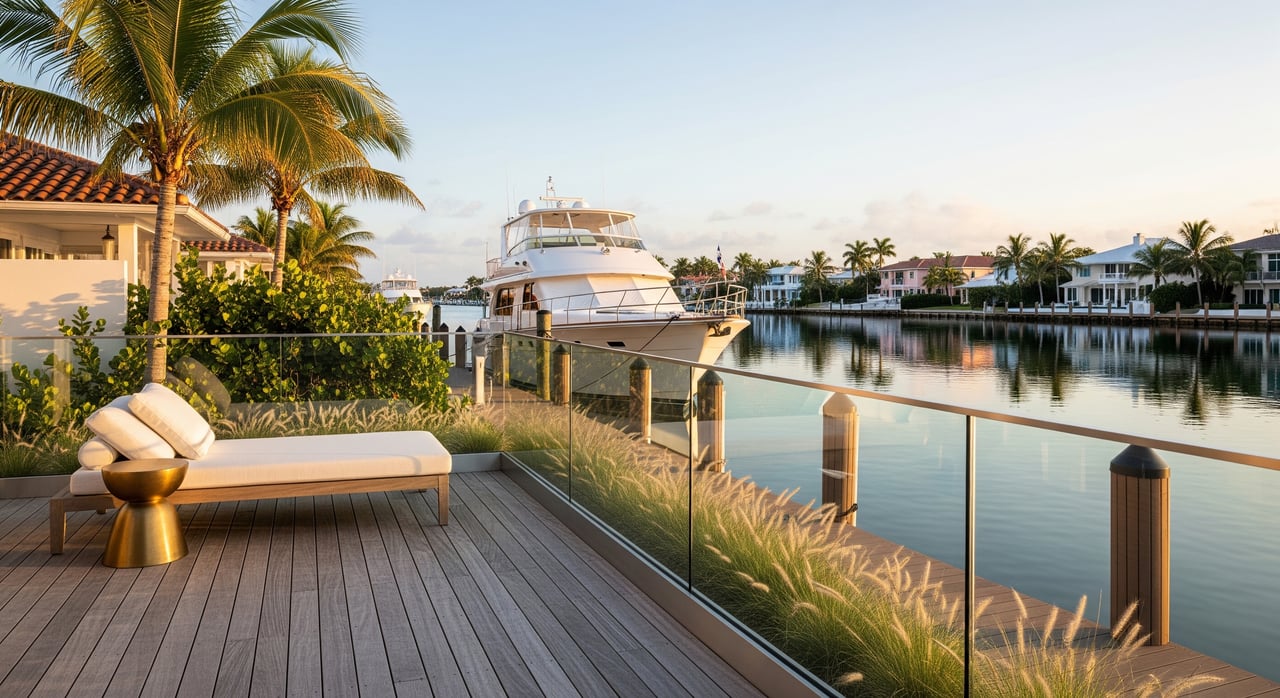
Picture your morning starting on a quiet harbor, coffee in hand, as boats ease out to the Intracoastal. If you’re a seasonal Floridian or a snowbird looking for low‑maintenance living with a boating focus, Yacht Harbor Village may be on your shortlist. In this guide, you’ll learn what daily life looks like, what to verify about marina access, how HOA and insurance work in a waterfront community, and the key due diligence steps before you buy. Let’s dive in.
Yacht Harbor Village at a glance
Yacht Harbor Village sits in Palm Coast in Flagler County on Florida’s northeast coast. It is a marina‑oriented setting where daily life centers on sheltered water, boat slips, and waterfront views. You should verify whether the community connects directly to the Intracoastal Waterway or via local canals or a harbor.
Expect a humid subtropical climate with hot summers and mild winters, which is why the area appeals to snowbirds. Hurricane season runs from June 1 to November 30, so planning for wind, flood, and boat protection is part of responsible ownership.
Boating life and marina access
Intracoastal access and navigation
Your boating experience depends on navigation details. Confirm whether you have direct ICW access, any bridge height restrictions, and maintained channel depths. Ask about distance to the nearest inlet for ocean access if coastal cruising or offshore fishing matters to you.
Slips, services, and policies
Slips in marina communities can be deeded to a property, assigned, or leased separately. Verify slip sizes, waitlists, and whether transient slips are available for visiting friends. Check rules on liveaboards, fuel and pump‑out services, and operating hours so you understand how you will actually use your boat.
A day on the water
Life here leans recreational. Many residents spend weekends day cruising, fishing along the ICW, or kayaking. The harbor setting provides a more sheltered experience than open beach frontage, which can be a plus on windy days.
On‑site comforts and nearby essentials
Community amenities to expect
Marina communities commonly offer gated entry, a clubhouse, pool, fitness room, picnic or BBQ areas, and guest parking. Confirm which amenities apply to Yacht Harbor Village and what your HOA dues cover. If you want a lock‑and‑leave setup for a second home, ask specifically about exterior maintenance and landscaping.
Groceries, dining, and healthcare
Palm Coast’s services are concentrated along major corridors, with a range of grocery stores, pharmacies, and casual dining options a short drive away. If you are here seasonally, proximity to urgent care or a hospital should be on your checklist. Keep a simple list of nearby retailers, marine supply stores, and fuel sources for boat days.
Beaches and recreation
You live on a harbor or intracoastal setting rather than directly on the sand. Public beach access in the Palm Coast and Flagler Beach area is a drive away. Many buyers appreciate the tradeoff of calmer water at home with easy access to beaches when the mood strikes.
Getting around and travel
Marina‑style neighborhoods are often car‑oriented. Sidewalks and paths vary, so check walkability within the community and rules for guest parking. For seasonal travel, Daytona Beach International and Jacksonville International airports offer useful options.
Social rhythm and community vibe
Expect a seasonal rhythm. Winter months can be more active as snowbirds arrive, while summer is often quieter. Social life typically centers on the marina, clubhouse gatherings, informal boat clubs, and local community events. If short‑term renting is allowed, you may see a more transient mix on weekends and holidays, so verify rental policies with the HOA.
Homes, HOAs, and maintenance
Property types and views
You will likely find a mix of condos and low‑maintenance single‑family or villa‑style homes. Some properties are waterfront with potential access to a private or nearby slip, while others offer water views or interior locations. Ask whether slips convey with a unit, are assigned, or must be leased separately.
What your HOA may cover
Many HOAs in marina communities handle exterior maintenance, landscaping, security, pools, and upkeep of common docks or walkways. Marina infrastructure like docks, dredging, or seawalls may be funded separately or through special assessments. Request the most recent budget, reserve study, and any pending assessments so you understand true costs.
Rules that matter
Rules affect how you use your home and boat. Confirm boat length and type limits, liveaboard rules, guest slip policies, contractor rules, pet restrictions, parking rules, and short‑term rental policies. If you plan to rent seasonally, make sure your intended rental timeline fits both local ordinances and the HOA.
Insurance, flood, and storm planning
Coastal properties often sit within FEMA flood zones. Ask for the property’s flood zone designation and any available Elevation Certificate. Obtain quotes for flood insurance through the National Flood Insurance Program and private markets, and factor windstorm coverage into your budget.
Condo master policies vary, so clarify how your unit interior is covered and what riders you need. For waterfront lots, confirm responsibility for seawall or bulkhead maintenance and review any recent inspections or permits. Have a simple hurricane plan that includes boat preparation, secure storage, and evacuation routes.
Market context and ownership strategy
Demand for marina living is driven by boating access, low‑maintenance housing, and mild winters. Seasonal patterns can influence both resale and rental performance, especially if short‑term rentals are permitted. Coastal values can be sensitive to storm history, insurance costs, and regulatory changes, so gather recent sales data, HOA financials, and insurance quotes before you write an offer.
Due diligence checklist for Yacht Harbor Village buyers
Use this list to move from curious to confident:
- Verify exact water access: direct ICW connection or via canal/harbor, bridge heights, dredged depths, and distance to the nearest inlet.
- Determine slip status: deeded vs. leased, sizes, waitlists, transient availability, and liveaboard policies.
- Confirm marina services: fuel, pump‑out, operating hours, and maintenance or repair options nearby.
- Check the FEMA flood zone and request an Elevation Certificate if available. Get flood and wind insurance quotes.
- Review HOA dues, what is included, upcoming projects, reserve funds, recent meeting minutes, and any special assessments.
- Ask about seawalls or bulkheads: condition, inspection history, permits, and maintenance responsibility.
- Clarify rental rules and any local registration or tax requirements for short‑term renting.
- Confirm utilities: water provider, sewer vs. septic, trash and recycling, and whether any utilities are bundled in HOA fees.
- Map essentials: nearest grocery, pharmacy, medical care, marine supply, fuel, and airport options.
- Consult local professionals experienced with coastal Florida financing and insurance.
Marina living vs. beachfront living
- Water orientation: A marina community emphasizes slips, sheltered water, and boating, while beachfront areas focus on sand, surf, and ocean views.
- Exposure: Harbors are more protected from wave action, while beach homes face greater erosion and surf conditions.
- Walkability and services: Many beach areas have promenades and higher walkability to dining, while marina developments are often more residential and car‑dependent.
- Maintenance and cost profile: HOA‑managed marina living can simplify exterior upkeep, though dock and dredging costs may affect dues. Beachfront single‑family homes have different maintenance and insurance needs.
Is Yacht Harbor Village right for you?
Choose Yacht Harbor Village if you want a calm waterfront setting where your days revolve around the marina, and you value low‑maintenance living you can lock and leave. Expect a seasonal rhythm, a friendly boating culture, and practical planning around insurance and storms. If you prefer a walkable beach scene with constant foot traffic and oceanfront activity, a traditional beachfront neighborhood may be a better match.
When you are ready to explore available homes, compare HOA details, and understand true ownership costs, connect with a trusted local advisor. For second‑home and relocation buyers, the right guidance saves time and helps you buy with confidence. Reach out to Gina McDonald to start your Palm Coast search.
FAQs
What type of boating access does Yacht Harbor Village offer?
- Verify whether the community has direct Intracoastal Waterway access or connects via canals, plus any bridge height limits, depths, and distance to the nearest inlet.
Are boat slips included with homes in Yacht Harbor Village?
- It varies by property and HOA; slips may be deeded, assigned, or leased separately, so confirm terms, sizes, and any waitlists before you buy.
How does hurricane season affect living in a Palm Coast marina community?
- Hurricane season runs June 1 to November 30; plan for flood and wind insurance, a boat preparation checklist, and clear evacuation and storage options.
What do HOAs typically cover in marina communities like Yacht Harbor Village?
- Many cover exterior maintenance, landscaping, security, pools, and common‑area docks, but marina costs or dredging may require separate funding or assessments.
Is short‑term renting allowed in Yacht Harbor Village?
- Rules vary; confirm HOA policies and any City of Palm Coast or Flagler County requirements for registration, stays, and taxes before planning rental income.
Which airports are most convenient for seasonal residents in Palm Coast?
- Daytona Beach International and Jacksonville International are practical options for regional and national travel.
How walkable is Yacht Harbor Village to shops and restaurants?
- Many marina neighborhoods are more car‑oriented than downtown or beachfront areas; check sidewalks, paths, and proximity to retail for your specific address.
What should I check about flood and wind insurance before buying?
- Confirm the FEMA flood zone and request an Elevation Certificate, then obtain quotes for NFIP or private flood coverage and windstorm insurance, including any condo master policy details.